Sixty years, four owners, and the same machine in the back room. Here's how a repair shop turned into a roastery.
In 1962 Alder Street was full of workshops. Ours fixed typewriters. The owner, a man named Walt Ember, bought a secondhand drum roaster to keep the waiting customers busy — and slowly the smell took over the whole building.
By 1971 the typewriters were gone and the roaster had a queue. We've been doing the same thing since: buy good green coffee, roast it carefully, sell it before it goes stale.
The current roaster is the original, rebuilt twice. It does about twelve kilos an hour. We've been offered faster machines. We've said no each time.
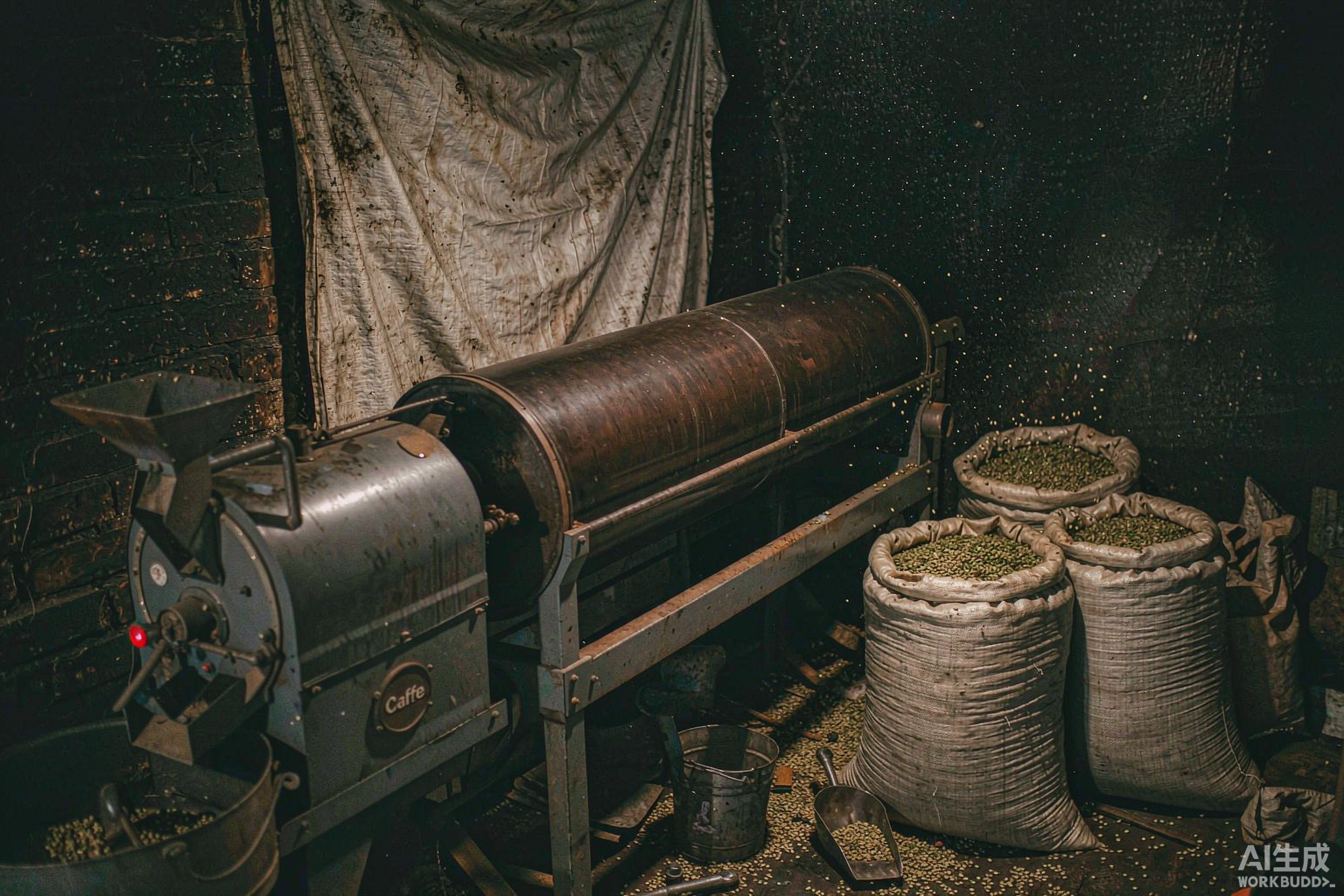
We roast on Tuesdays and Fridays. That's it. Everything you buy left the roaster within nine days.

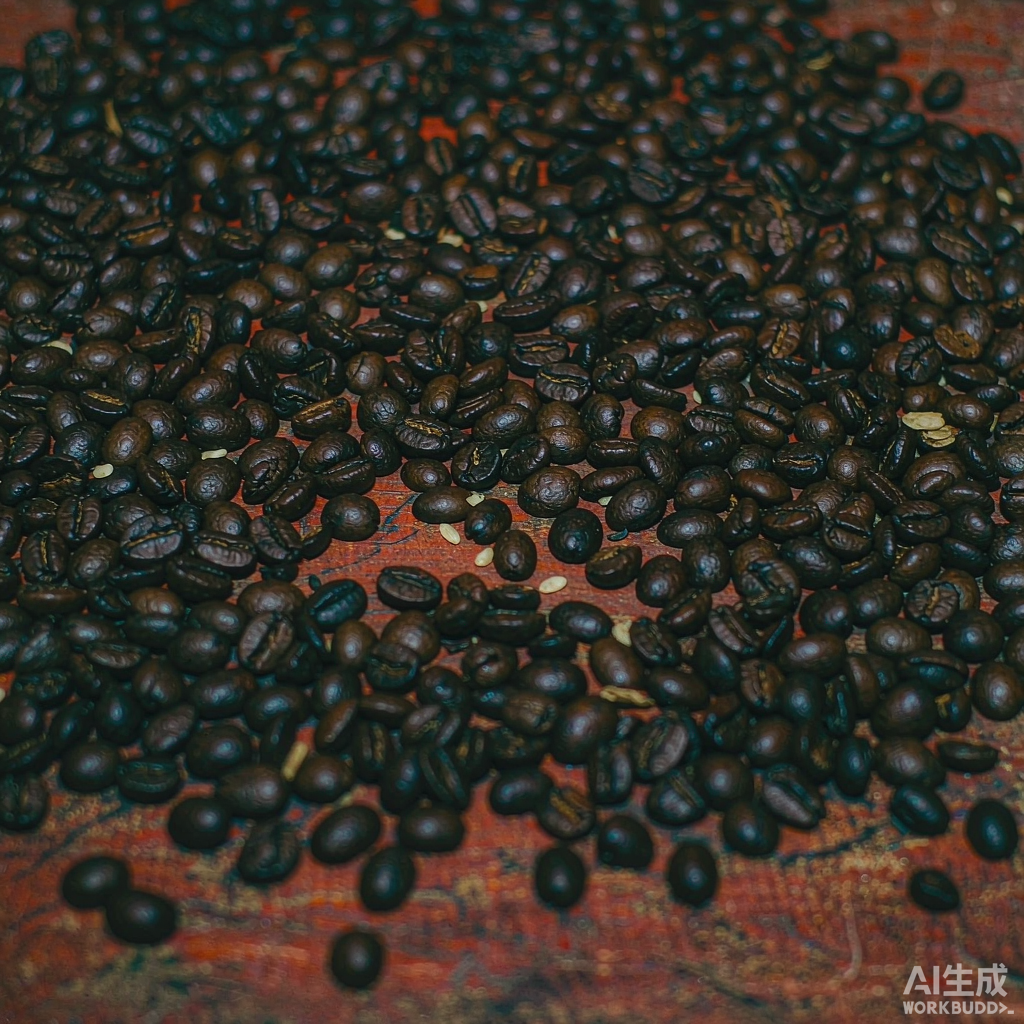
Twelve farms, direct relationships, and a price we set with them rather than for them.

Twelve kilos at a time, logged by hand, tasted every batch before it leaves the building.

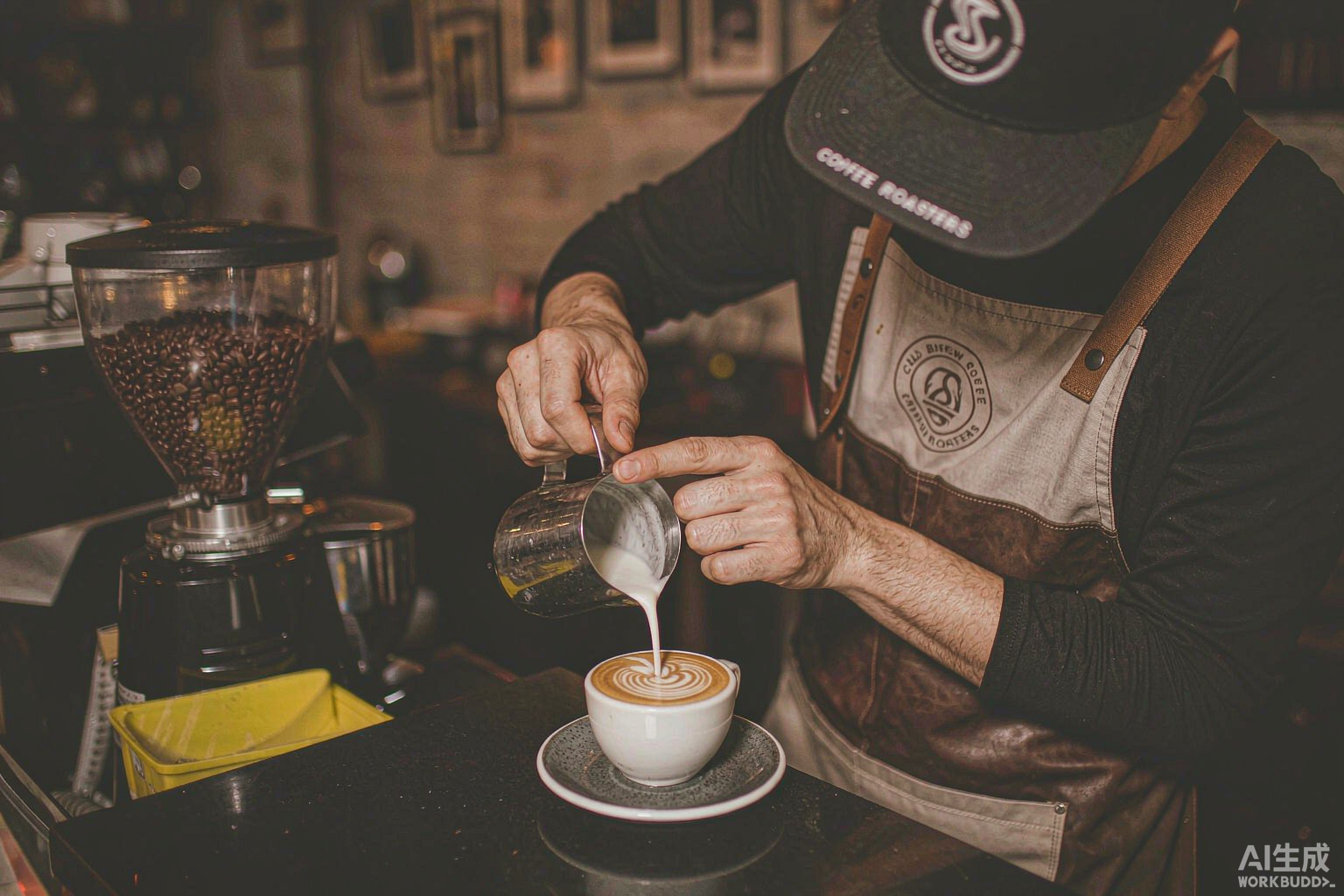
Ground to order, weighed twice, and served in ceramic — even if you're staying.
Typewriter repair shop opens. A used drum roaster arrives in the back room.
Repairs stop. The roaster gets a queue out the door.
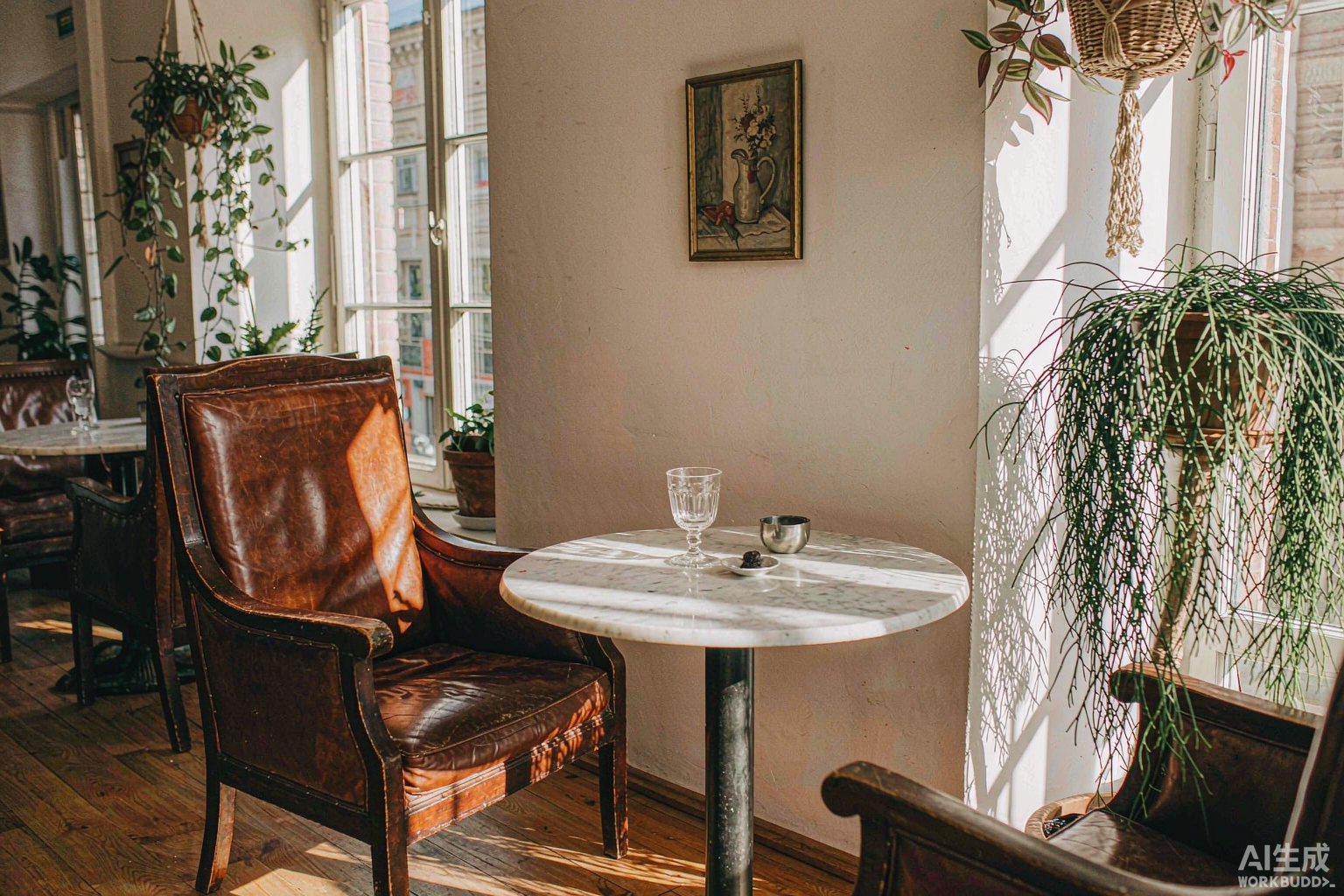
The cafe opens next door. First espresso machine, bought secondhand.
Twelve farm partners, one roaster, still roasting twice a week.
We could open six more shops. We keep not doing it. Twelve kilos an hour means we know every bag that leaves, and most of the people who buy them.
That's the whole business model, such as it is.
Buy the BeansIt's in the back, it's loud, and on Tuesdays and Fridays you can watch it run while you wait for your drink.
Plan Your Visit